Educational guide
Your GLP-1 patient guide
This guide collects simple daily habits that can support adults during GLP-1 treatment: eating well, moving a little every day, and staying hydrated. Use it alongside the care plan from your clinician — if anything here differs from their instructions, follow your clinician.
This guide is educational and is not medical advice. It does not replace the instructions of your clinician. If you have chest pain, fainting, or unusual shortness of breath, seek medical care right away. In an emergency, call 911.
Daily basics
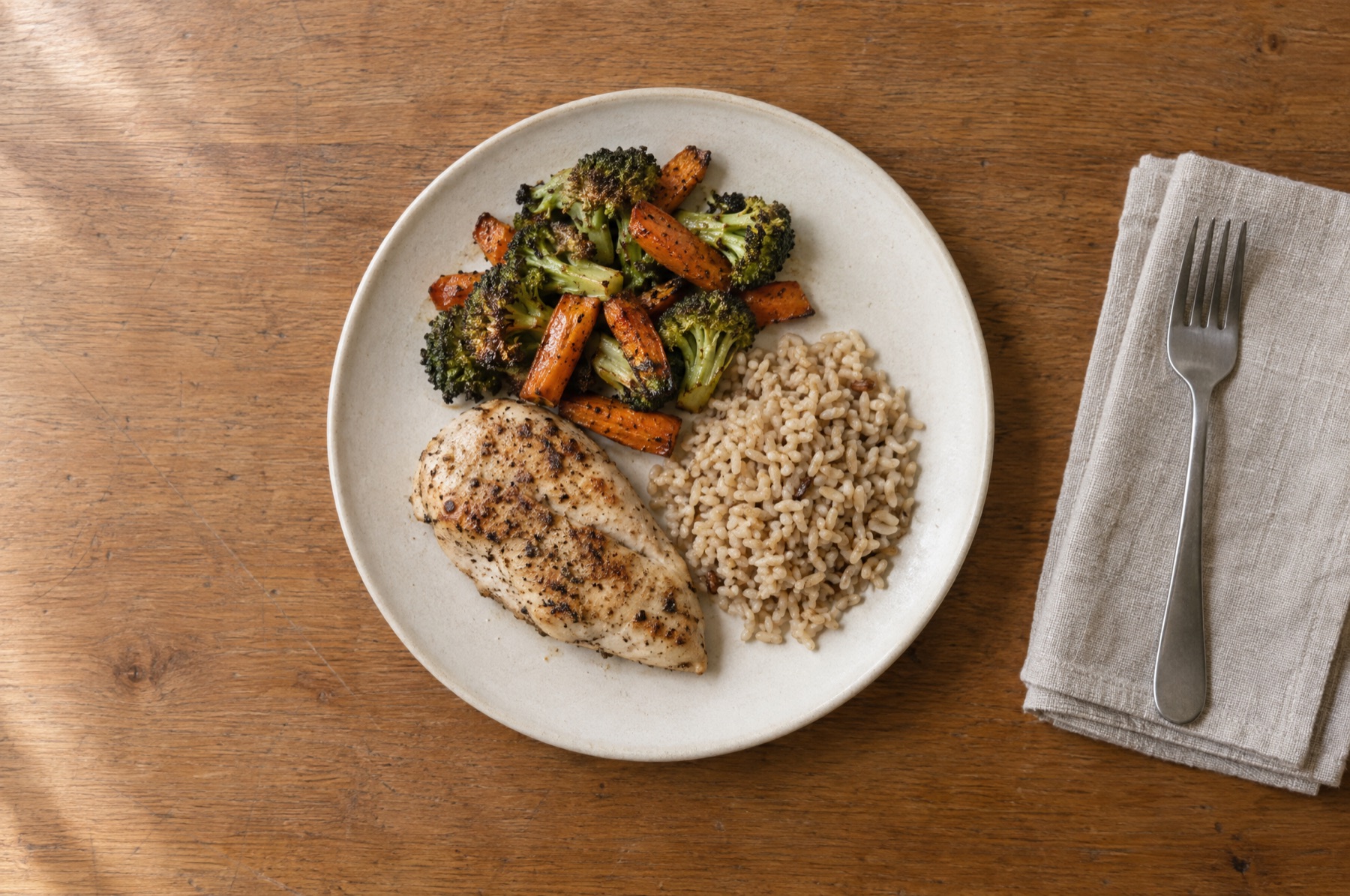
Building your plate
GLP-1 medicines can make you feel full sooner, so what you eat matters more than how much. Following USDA MyPlate, aim to fill half your plate with vegetables and fruit, a quarter with lean protein such as chicken, fish, eggs, beans, or tofu, and a quarter with whole grains. Start with the protein and vegetables. Eat slowly and stop when you feel comfortably full, not stuffed. Smaller meals through the day may feel better than large ones.
If you have ongoing nausea, vomiting, or trouble eating, tell your clinician.

Walking planner
Gentle daily movement supports your overall health during treatment. The CDC recommends that adults work up to at least 150 minutes of moderate activity a week — for example, 30 minutes on five days. If you are starting out, begin with 5 to 10 minutes and add a few minutes each week. Stop and seek medical care if you have chest pain, feel faint, or are unusually short of breath.
0
minutes walked today
Hydration planner
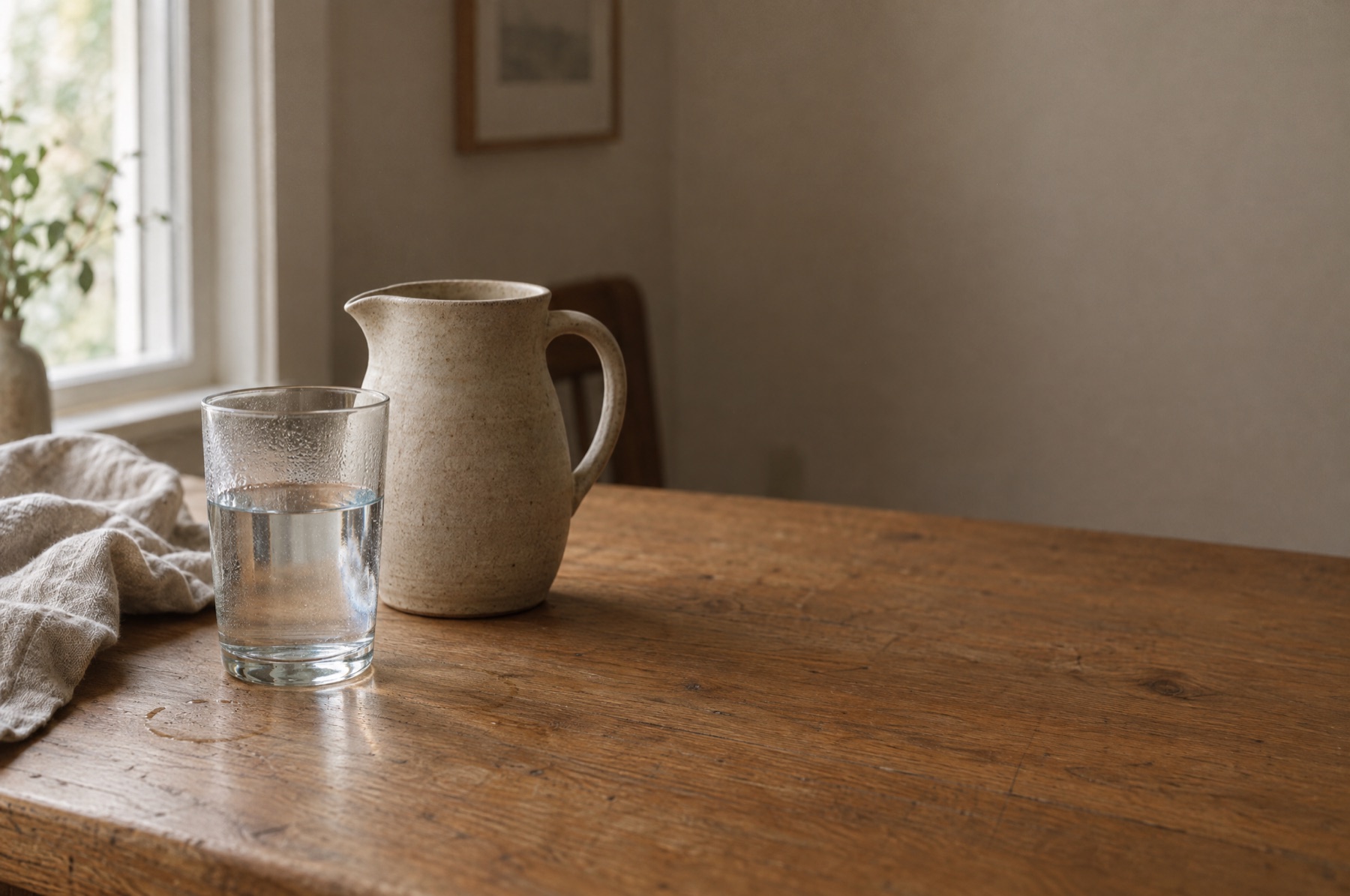
Staying hydrated matters during GLP-1 treatment, especially if you are eating less or have nausea. Sip water through the day rather than all at once. Use the planner to track the daily goal your clinician recommends for you.
If you have heart, kidney, or liver disease, or you take a diuretic, talk to your clinician before increasing fluids.
0
cups today
Adult BMI calculator
BMI is a screening measure for adults. It is not a diagnosis, and it does not determine treatment or eligibility. Your height and weight are not saved and are never sent anywhere.
Your BMI
—
BMI is a screening tool, not a diagnosis. It does not account for muscle, bone, or body composition, and it is not used here to recommend medication, dosing, treatment, or eligibility. Discuss your results with your clinician.
References
The guidance on this page draws on the following public health sources.
CDC — Physical activity basicsNational Academies — Dietary reference intakes for waterUSDA MyPlateCDC — Adult BMI